Latest Products


Contact Us
- No.11, Zhaoming Road, Fuwan, Hecheng, Gaoming District, Foshan City, Guangdong, China
- winny@fsyidalong.com
- +86-757-88628085

Clear Acrylic Sheet
Our sales network covers the Europe, America, Southeast Asia, Middle East, and other regions, allowing customers around the world to buy high-quality products and enjoy excellent customer service.
Description

We specialize in producing all kinds of Acrylic products, mainly clear acrylic sheet, acrylic mirror, acrylic color sheet, etc.
Foshan Yidalong Ventilation Equipment Co., Ltd. was established in 1996. After years of operation, it has mature technical expertise, advanced process equipment, extensive production experience, and a complete service system. Our products are well received in mainstream markets including Europe, America, Southeast Asia, and the Middle East.
Company Advantages
Well-Experienced
We were established in 1996, with more than 20 years of manufacturing experience, can provide customers with perfect solutions.
Global Sales Network
Our sales network covers the Europe, America, Southeast Asia, Middle East, and other regions, allowing customers around the world to buy high-quality products and enjoy excellent customer service.
Professional Team
We have hundreds of professional and technical personnel, and we can provide you with professional services. Professional engineers also can provide expertise consultations and professional advice on product selection, design, installation, and maintenance.
Complete Product Qualifications
Our products all have passed test of ISO, CE, FDA, SGS, etc. The quality of our products is highly praised by customers. All of our products comply with international quality standards and are greatly appreciated in a variety of different markets throughout the world.
Competitive Pricing
We offer competitively priced for our products, ensuring that we can offer our customers a high-quality solution without breaking the bank.
Customized Services
We welcome product customization, and our team is capable of developing new products or providing technical solutions tailored to customer requirements. In addition, we also provide OEM/ODM manufacturing services to many customers.
Clear Acrylic Sheet is a kind of high transparency, high acid and alkali resistance, high wear resistance, high strength material. Its appearance is very similar to glass, but it is stronger and more durable than glass. Clear Acrylic Sheet is characterized not only by its high transparency and high durability, but also very lightweight. This makes it more convenient to transport and install, which can greatly save time and cost.
Acrylic mirrors offer a lightweight, shatter-resistant, and versatile alternative to traditional glass mirrors, with a wide range of benefits for both home and business use. By being customizable, cost-effective, and eco-friendly, they are a smart choice for anyone looking to add mirrors to their space.

Acrylic Color Sheet material with amethyst general transparency, light transmittance of more than 92%. The acrylic plate colored with this dye has a good practical effect of color rendering. In addition, acrylic color sheet has excellent weather resistance, high surface hardness and gloss, and better heat resistance.
Advantages of Acrylic
Light Weight
Acrylic sheets are lightweight and often up to 50% lighter than traditional glass. This light weight makes acrylic sheets easier to install and transport acrylic materials into areas that are difficult to access with glass. The plexiglass sheet's light weight also reduces the stress placed on the surrounding building structure during installation and use, helping to ensure excellent overall stability.
No other material matches the lightweight level offered by the acrylic sheet, and this quality makes it an ideal choice for a wide array of tasks.
More Safer
Acrylic offers several advantages due to its unique properties. From a safety perspective, it is significantly safer than glass because it is much less likely to fracture or break when pressure is applied. Therefore, the acrylic mirror sheet is safer to handle and install.
Cheaper
Acrylic are a great and cheaper alternative to glass. It is also much easier to cut to size. They typically cost half of what their glass counterparts do, making them more accessible for the average consumer. The cheaper material composition and easier manufacturing method of acrylic sheets are integral factors in this cheaper cost. Acrylic is made of a plastic base, making it lighter than glass and cheaper to produce in bulk.
Transparent
Another unique and desirable feature of an acrylic sheet may be its highly transparent nature. The high clarity of acrylic sheet is quite remarkable-it allows between 92% and 98% of light to pass through it, depending on the thickness of the material. Any images or direct views placed behind the sheet are still highly visible from the outside, allowing for creative possibilities in design projects.
Easy To Fabricate
Acrylic sheets are widely used for various purposes, from ceiling tiles to display cases. One of the main advantages of acrylic sheets is that they are easy To fabricate – it's easy to cut and shape them using standard power tools like saws, routers, heat guns, and drill holes.
Acrylic's lightweight and low melting point make it easy to join parts together with adhesives or thermal welding processes. With the help of temperature control, acrylic can be cold-formed into various shapes – from curved walls to intricately detailed patterns – with minimal effort from the user. Additionally, we can quickly fabricate acrylic sheets into customized sizes or shapes. From small acrylic cosmetic displays to large window façades in buildings, we can quickly and accurately do it.
Weather Resistant
One of the greatest benefits of acrylic is its weather resistance, meaning it can withstand weather elements without becoming cracked, cloudy, or brittle. This makes it the perfect material for projects that require durability outdoors or in high-traffic areas where weather will be a factor.
Acrylic's weather-resistant quality also means it can remain unscathed after long exposure to rain, snow, and ice-making it an ideal choice for skylights, carports, windows, and more. Whether indoors or out, acrylic is weatherproof enough to ensure your project remains safe even in the harshest weather conditions.
UV Resistant
Acrylic sheets have the benefit of being UV resistant, meaning that they can last for many years without showing any signs of fading or cracking. While many materials like wood and plastic might need protection from UV light over time, acrylic sheets are highly resistant and do not require extra UV protection.
Acrylic is one of the few materials that actively diffuse UV rays instead of reflecting them. The UV radiation is quietly dispersed and scattered through the sheeting material, so there's no risk of injury from reflections or overheating from prolonged UV exposure.
Impact Resistant
One of the main advantages acrylic sheets offer is impact resistance, which makes them ideal for areas subject to bumps or bangs. Unlike glass, acrylic sheets won't easily break when hit by objects such as heavy books or balls, making them suitable in places where an impact-resistant material is a must.
Applications of Acrylic Sheets
These are flat, thin sheets of acrylic that are used in a variety of applications, including signs, displays and as a substitute for glass. Some common uses for acrylic sheets include:
Glazing And Windows: Acrylic sheets are often used as a substitute for glass in windows, skylights and greenhouses, due to their lightweight and shatter-resistant properties.
Display Cases And Holders: Acrylic sheets are often used in the construction of display cases, such as museum displays and retail displays, due to their clarity and durability.
Signage: Acrylic sheets are often used for signs, particularly for illuminated signs, due to their ability to transmit light and their durability.
Furniture And Home Decor: Acrylic sheets are used in the manufacture of furniture, such as coffee tables and for home decor items, such as photo frames and vases, due to their clarity and versatility.
Protective Covers And Guards: Acrylic sheets are used for protective covers, such as machine guards and barrier shields, due to their durability and ability to withstand impact.
Diy And Craft Projects: Acrylic sheets are a popular material for DIY and craft projects, such as jewelry-making, home decor and model-building, due to their affordability and versatility.
Lighting And Fixtures: Acrylic sheets are also used in lighting fixtures, such as wall sconces and table lamps, due to their ability to transmit and diffuse light.
Point-Of-Purchase Displays: Acrylic sheets are used in point-of-purchase displays, such as countertop and floor displays, due to their durability and versatility.
The production of acrylic plastic begins with the gathering of the necessary raw materials. The primary ingredient is methyl methacrylate (MMA) monomer derived from natural gas or petroleum sources.
Additives and colorants may also be incorporated to enhance specific properties or introduce desired hues.The heart of acrylic plastic production lies in the polymerization process. There are two main methods: bulk polymerization and suspension polymerization.In bulk polymerization, MMA monomer and a polymerization initiator are placed in a reactor vessel and heated.As the temperature rises, the MMA molecules react, forming polymer chains.The resulting acrylic polymer becomes a solid mass. Suspension polymerization is another widely used method.The MMA monomer is mixed with water and a suspending agent in a reactor vessel. A polymerization initiator is added, and the reactor is heated.As the MMA droplets polymerize, they form solid particles suspended in the water.Once the acrylic polymer is formed, it can be shaped and processed into various forms and products.Standard methods include extrusion, injection molding, and casting. Extrusion involves forcing the molten acrylic polymer through a die, creating continuous sheets, rods, or tubes. Injection molding uses molten acrylic that is injected into a mold and then cooled and solidified.
Casting involves pouring the molten acrylic into a mold, allowing it to cool and harden into a solid sheet.
Maintenance Tips for Acrylic Sheet
Gentle Cleaning Solutions: When cleaning acrylic sheets, it's essential to use a gentle cleaning solution to avoid scratches or damage. Create a mixture of mild soap or dishwashing liquid with lukewarm water. Avoid harsh chemicals, harsh cleaners, or solvents, as they can cause clouding or surface deterioration.
Soft Microfiber Cloth: Choose a soft, non-harsh microfiber cloth for cleaning acrylic sheets. Microfiber cloths are gentle on the surface and help prevent scratches. Avoid using paper towels or rough fabrics that may leave lint or damage the acrylic.
Remove Dust and Debris: Before applying any cleaning solution, use a soft brush or a can of compressed air to remove dust and waste from the surface of the acrylic sheet. This step minimizes the risk of scratching during the cleaning process.
Horizontal Cleaning Motion: When wiping down acrylic sheets, use horizontal or side-to-side motions rather than circular or up-and-down movements. This helps prevent the accumulation of cleaning solution at the edges, reducing the risk of seepage and damage to the sheet.
Rinse Thoroughly: After cleaning, rinse the acrylic sheet thoroughly with clean, lukewarm water. Ensure that all soap residue is removed to prevent clouding or streaking on the surface.
Pat Dry with a Clean Cloth: Gently pat the acrylic sheet dry with a clean, dry microfiber cloth. Avoid wiping with force, as residual water can attract dust and lead to streaking. Patting ensures a thorough yet gentle drying process.
Use Plastic Polish for Extra Shine: For an extra level of clarity and shine, consider using a plastic polish specifically designed for acrylic surfaces. These polishes help remove fine scratches and enhance the overall appearance of the acrylic sheet.
Avoid Direct Sunlight: Acrylic sheets are susceptible to UV damage over time. To prevent yellowing or discoloration, avoid exposing acrylic to direct sunlight for longer periods. If outdoor use is necessary, consider using UV-resistant acrylic sheets.
Handle with Clean Hands: When handling acrylic sheets, make sure your hands are clean to avoid transferring oils or dirt to the surface. Wear lint-free gloves if possible, especially during installation or when moving the sheets.
Store Properly: If you have extra acrylic sheets or need to store them temporarily, ensure they are stored vertically with protective sheets or cloth between them. This prevents scratching and surface damage.
Regular Inspection: Periodically inspect your acrylic sheets for any signs of damage, such as scratches, cracks, or clouding. Early detection allows for timely maintenance or replacement if needed.
Avoid Abrasive Materials: Avoid using anything that could scratch the surface, such as scrubbing cushions, hard-bristled brushes, and other abrasive materials. Even small scratches can compromise the clarity of the acrylic.
Professional Cleaning for Stubborn Stains: If stubborn stains persist, consider consulting a professional acrylic sheet suppliers for cleaning advice or services. Professionals may use specialized cleaning products or techniques to address specific stains without harming the acrylic.
Handle with Care: When installing or moving acrylic sheets, handle them with care to avoid accidental scratches or cracks. Place them on soft, clean surfaces during any cutting or modification processes.
Certifications
Our products all have passed test of ISO, CE, FDA, SGS, etc. The quality of our products is highly praised by customers.


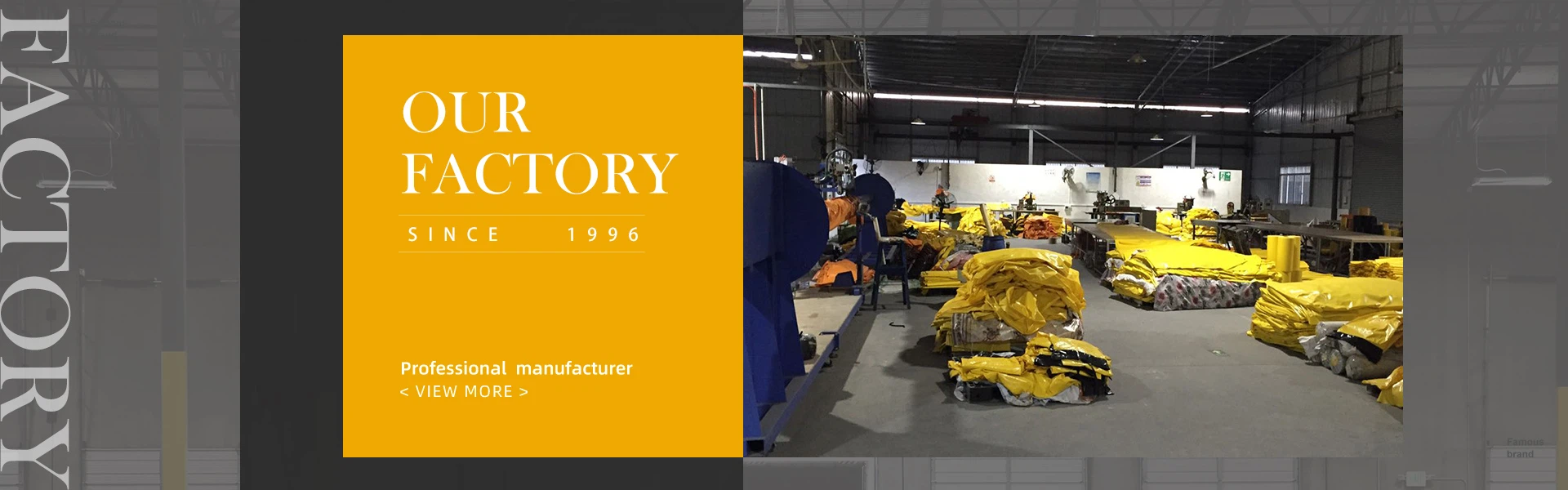
Our Factory
We have more than 300 employees, with a fully automatic CNC production line, and are committed to providing customers with the best products and services.


Frequently Asked Questions
Q: Do I get better results from acrylic than glass?
Q: What are the disadvantages of Acrylic Sheets?
Easy to scratched
As with any type of material, however, there can be drawbacks. Acrylic sheets, for instance, are easy to scratch. In most cases, these scratches only cause cosmetic damage, but this can still compromise the beauty of an installation. For example, acrylic windows that have been scratched can still let light through but will have a ragged appearance.
Not Heat-Resistant
It is best to avoid using the acrylic sheet in areas where extremely high temperatures could present an issue. The acrylic sheet does not tolerate high temperatures. Opt for clear polycarbonate if you need an alternative to standard glass that can withstand high temperatures. Learn about the difference between acrylic and polycarbonate.
The acrylic sheet does have one major limitation: acrylic sheets cannot withstand extreme temperatures. When exposed to a temperature of more than 150°F for extended periods, the plastic may become brittle and easily crack or break. This means that acrylic sheet is unsuitable for use in areas where temperatures may rise significantly above this threshold, such as high-temperature kilns or furnaces.
Q: How Long Does Acrylic Sheet Last?
Q: Is Acrylic Toxic?
The government research studies conclude that acrylic is toxic for humans, but as the private sector(plastic Processing companies) research goes, the government reports exaggerate the harm.
However, a safe distance between the machine and the released fumes should be maintained while processing acrylic or polycarbonate. Wearing a mask can be an excellent option to avoid fumes.
The processing should be done in a well-ventilated facility to avoid unwanted casualties.
Q: How can I remove scratches from acrylic?
Q: Does the Acrylic Sheet Need Maintenance?
Failing to maintain the cleanliness of acrylic sheeting can lead to discoloration over time. Additionally, applying appropriate protective agents helps keep the material free from staining and scratching while being exposed to harsh environments.
On top of that, maintenance also ensures that weather conditions such as extreme cold or heat do not affect the clarity of your acrylic sheets.
Q: Should I keep acrylic out of the sun?
Q: Can acrylic be easily shaped?
Q: How to clean acrylic sheet effectively?
Step 1: Prepare a Cleaning Solution
Fill a bucket or basin with warm distilled water.
Add a small amount of mild dish soap or specialized acrylic cleaner. Avoid using harsh chemicals or abrasive cleaners that can damage the acrylic surface.
Step 2: Apply the Cleaning Solution
Dip a soft, lint-free cloth or non-abrasive sponge into the cleaning solution.
Gently wipe the acrylic surface in a circular motion, covering the entire area. Avoid applying excessive pressure.
Step 3: Rinse the Acrylic Sheets
After cleaning, rinse the acrylic sheets thoroughly with clean distilled water to remove any soap residue.
Step 4: Dry the Acrylic Sheets
Use a clean, dry microfiber cloth to gently pat dry the acrylic sheets. Avoid rubbing, as it may cause scratches or static buildup.
Q: How to remove stubborn stains from acrylic sheet?
Isopropyl alcohol: Moisten a soft cloth with isopropyl alcohol and gently rub the stained area in a circular motion. Rinse and dry afterward.
Specialized acrylic cleaners: If the stain persists, you may opt for specialized acrylic cleaners available in the market. Follow the manufacturer's instructions for optimal results.
Note: Always test any stain-removing method on a small, inconspicuous area of the acrylic sheet before applying it to the stained area. This will ensure that the cleaning agent does not cause any damage or discoloration.
Q: What are the tips for long-term maintenance of Acrylic?
Avoid abrasive materials: When cleaning acrylic sheets, never use rough or abrasive materials such as steel wool or scouring pads, as they can scratch the surface. Stick to soft cloths or non-abrasive sponges.
Avoid harsh chemicals: Steer clear of harsh chemicals like ammonia, bleach, or solvents, as they can cause damage and discoloration to the acrylic. Stick to mild dish soap or specialized acrylic cleaners.
Regular dusting: Prevent the buildup of dust and debris by regularly dusting your acrylic sheets with a soft cloth or using a specialized acrylic duster.
Avoid direct sunlight: Prolonged exposure to direct sunlight can lead to discoloration and degradation of acrylic sheets. If possible, position them away from direct sunlight or use UV-protective coatings.
Avoid contact with sharp objects: Prevent scratches by avoiding contact with sharp objects or rough surfaces. Use protective measures such as coasters, felt pads, or protective films on furniture surfaces.
Use plastic polish: Periodically apply a plastic polish or anti-static cleaner specifically designed for acrylic surfaces. This helps restore shine, remove minor scratches, and reduce static buildup.
Q: What is acrylic made of?
Q: Is Acrylic Plastic Eco-Friendly?
Ultimately, the biggest problem with acrylic plastic is not it's use in day to day products or even it's longevity, but its manufacturing process, as this is known to create toxic fumes and this has raised questions about the validity of trying to contain manufacturing in an indoor environment. The second issue is the fact that acrylic plastic is not easily recyclable due to the nature of the plastic, nor is it bio-degradeable in any way. However, these objections are often offset against the fact that acrylic has replaced many products which were made from wood and natural materials which would cause further harm to the environment through burning (upon disposal) and acquisition. In comparison to using older natural materials which have a poor disposal record from an environmental standpoint, acrylic plastic is technically the lesser of two evils and the better option in the long term.
Q: Is Acrylic Waterproof?
Q: Is Acrylic Renewable?
Hot Tags: clear acrylic sheet, China clear acrylic sheet manufacturers, suppliers, factory, Fan, Flexible Duct, Mobile fan switch accessories, Hot and cold air delivery, Large size Ventilationfan switch 20 inch, Rotary direction fan
You Might Also Like