
Latest Products


Contact Us
- No.11, Zhaoming Road, Fuwan, Hecheng, Gaoming District, Foshan City, Guangdong, China
- winny@fsyidalong.com
- +86-757-88628085

We specialize in producing all kinds of flexible duct products, mainly fiberglass heating ducting, normal pvc ducting, pe film ducting, duct tee connection fittings, porous distributary ducting, anti-static explosion-proof ducting, portable blower ducting, etc.
Foshan Yidalong Ventilation Equipment Co., Ltd. was established in 1996. After years of operation, it has mature technical expertise, advanced process equipment, extensive production experience, and a complete service system. Our products are well received in mainstream markets including Europe, America, Southeast Asia, and the Middle East.
Company Advantages
Well-Experienced
We were established in 1996, with more than 20 years of manufacturing experience, can provide customers with perfect solutions.
Global Sales Network
Our sales network covers the Europe, America, Southeast Asia, Middle East, and other regions, allowing customers around the world to buy high-quality products and enjoy excellent customer service.
Professional Team
We have hundreds of professional and technical personnel, and we can provide you with professional services. Professional engineers also can provide expertise consultations and professional advice on product selection, design, installation, and maintenance.
Complete Product Qualifications
Our products all have passed test of ISO, CE, FDA, SGS, etc. The quality of our products is highly praised by customers. All of our products comply with international quality standards and are greatly appreciated in a variety of different markets throughout the world.
Competitive Pricing
We offer competitively priced for our products, ensuring that we can offer our customers a high-quality solution without breaking the bank.
Customized Services
We welcome product customization, and our team is capable of developing new products or providing technical solutions tailored to customer requirements. In addition, we also provide OEM/ODM manufacturing services to many customers.
 Normal PVC Ducting
Our sales network covers the Europe, America, Southeast Asia, Middle East, and other regions, allowing customers around the world to buy high-quality products and enjoy excellent customer service.
Add to Inquiry Fiberglass Heating Ducting
We have hundreds of professional and technical personnel, and we can provide you with professional services. Professional engineers also can provide expertise consultations and professional advice on
Add to Inquiry Anti-static Explosion-proof Ducting
Our sales network covers the Europe, America, Southeast Asia, Middle East, and other regions, allowing customers around the world to buy high-quality products and enjoy excellent customer service.
Add to Inquiry Normal PVC Ducting
Flexible duct made of fire-retardant PVC material and spring steel ring, it is able to endure the acid, the alkali, waterproof, Anti static. It is easily to turn, connect and schlep.. It is used to
Add to Inquiry Air Conditioning Ventilation Ducting
Thermal insulation air duct has advantage of less heat loss, low air resistance, lightweight, good sound-deadening effect, energy saving environment protection. The outer steel framework is flexible
Add to Inquiry-
Fiberglass Heating Ducting
Heating Ducting have a antiwear effect by outside taenidium, it can be drag on the ground without wear and tear duct. And it also can objects under pressure, good at metal resistant, acid resistant.
Add to Inquiry  Tunnuel Mining Ducting
A mountain of coal dust and gas that would pose a threat to workers who exploit the mineral resource. Use the flexible duct to pumping out the coal dust and gas can reduce the threat and supplying
Add to Inquiry Anti-static Explosion-proof Ducting
It is suitable for mines and tunnels. When mining mineral resources, there is a large amount of dust and gas in the mine, which poses a threat to the life safety of workers. The use of air ducts for
Add to Inquiry Marine Negative Pressure Duct
In the shipbuilding to exhaust ventilation for welding workers (it will produce the harmful smell when doing the weld working), meanwhile, it can be connected with the center air-condition to exhaust
Add to Inquiry PE Film Ducting
Suitable for conveying fresh air to confined Spaces, it is made of transparent polyethylene (PE) plastic, waterproof and mildew resistant. Easy to store, reusable, only ventilated under positive
Add to Inquiry Portable Blower Ducting
Portable blower ducting bring fresh air into underground, enclosed Spaces or large areas.. Made of polyvinyl chloride (PVC) fabric, it can withstand harsh environments and is flame retardant, mildew
Add to Inquiry Three-way Ventilation Ducting
Suitable for multiple outlet ventilation needs, Y type, T type and other special-shaped hoses can be customized.
Add to Inquiry

Choose Our Flexible Duct And You Won't Be Disappointed!
Flexible duct, also known as flex duct or flexible air duct, is a type of ductwork used in heating, ventilation, and air conditioning (HVAC) systems. Flexible ducts are made of a round wire coil encased in bendable polymer skin. They are lightweight, easy to install, and available as insulated or uninsulated.
Flexible ducts are used to create a connection between different machinery parts. They are also used to transfer light dust particulate away from a specific area. This is often done for safety reasons in many occupational fields because dust can be harmful to health.
Flexible ducts are often used in the final few feet to the air outlet. They provide a convenient way to attach supply air outlets to the rigid ductwork.
Product Advantages
Flexibility
Flexible duct to be easily installed in tight spaces and around obstacles, such as joists and rafters. This makes them a great option for retrofitting older homes or buildings where space is limited.
Lightweight
Flexible duct easy to handle and install. They also have a low profile, which means they take up less space than traditional ducts. This is particularly useful in attic spaces or crawl spaces where space is at a premium.
Good Resistance To Crushing
Which helps maintain their air flow capacity over time. Flexible duct is also have a good resistance to leaks, which helps maintain the air flow and the energy efficiency of the HVAC system.
Environmental Benefits
Because flexible duct are made of a flexible material, they are less likely to be damaged during installation, which reduces waste and the need for frequent repairs or replacements. Flexible duct is also take up less space, which reduces the amount of material needed for the installation.
Types of Flexible Duct
The Flexible Duct produced by our company mainly include the following types:
Fiberglass Heating Ducting
Fiberglass heating ducting is a type of ductwork that is similar to sheet metal ductwork, but with an added fiberglass lining. The fiberglass lining helps insulate against heat loss and dampens sound. It is a cost-effective insulation material that is resistant to moisture and burning. Fiberglass heating ducting is commonly used in commercial heating, ventilation, and air conditioning (HVAC) systems. Fiberglass heating ducting is also effective at reducing noise from HVAC equipment and adjacent office spaces.
Fiberglass heating ducting is designed to last for about 10–15 years. However, preventative maintenance and cleaning are recommended for all ductwork.
PVC Ducting
PVC ducting has long been valued for its durability and ease of use. This plus the added benefit of being cost effective have made PVC ducting into one of the most widely used materials in the world. It isn't surprising that other industrial and consumer products are also made of this versatile material. One such product is PVC duct. Used mostly by contractors and builders, PVC duct is a thin walled version of traditional PVC ducting. Because of its thin walls, duct is not used to carry pressurized liquids like standard pipe. Instead, it is used for light drainage, fume, and exhaust applications.
PVC duct is impressively strong and it possesses a host of other beneficial qualities like low thermal conductivity, flammability properties, and chemical and corrosion resistance. PVC duct pipe comes in sizes from 2 inch all the way up to 60 inch! Depending on size, duct can be made two ways: by extrusion or by rolling PVC sheet. Generally, smaller sizes are extruded while larger sizes must be rolled.
Anti-static Explosion-proof Ducting
Anti-static explosion-proof ducting is a flexible ventilation duct that is conductive and can be used in flammable and explosive spaces. It is made from anti-static tarpaulin, which is durable, heavy-duty, and flame retardant.
Anti-static explosion-proof ducting can also be made from black PVC material that is fire retardant, waterproof, UV resistant, and anti-static. Anti-static explosion-proof ducting is conductive and can dissipate static electricity charges. It's also available in different lengths and diameters and comes with a carry bag.
Anti-static explosion-proof ducting is a ventilation system used in flammable and explosive places like petrochemicals, medicines, and oil tankers. It's made from flame retardant neoprene polyester and steel helix coils, making it flexible and durable.
PVC Flexible Duct
PVC flexible duct is a type of flexible ducting pipe that is made from PVC and is reinforced with a spring steel wire helix. It is used for light bulk material handling, heavy-duty ventilation, and dust and fume removal.
PVC flexible duct allows air to travel through helix wire-framed ducting, circulating fresh air or removing unwanted air. One end of the flex duct can be attached to a ventilator, and the ducts can be attached to one another using the same strapping method.
PVC flexible duct is versatile, non-collapsing, fire resistant, and doesn't rot. It has an operating temperature of +6° to +50° and is available in sizes from 100mm to 150mm.
Advantages of Flexible Duct
Fiberglass Heating Ducting
Fiberglass heating ducting has several advantages, including:
Lightweight: Fiberglass heating ducting are lightweight and strong, making them easier and safer to install.
Inorganic: Fiberglass heating ducting is inorganic, so it doesn't support mold growth.
Energy efficient: Fiberglass heating ducting air duct liners can help with sound attenuation and energy efficiency.
Cost-effective: Fiberglass heating ducting is a cost-effective option.
Durable: Fiberglass heating ducting is durable, versatile, and easy to use. It also has minimal maintenance requirements and is well protected from corrosion.
Thermal properties: Fiberglass heating ducting has good thermal properties and is resistant to mold and mildew.
Insulation: Fiberglass heating ducting has lower thermal resistance than cellulose, making it better at insulating against heat loss.
PVC Ducting
PVC ducting has several advantages, including:
Corrosion resistance: PVC ducting is resistant to corrosion from gases, fumes, and exhaust. It can withstand acidic or corrosive gases longer than some metals.
Durability: PVC is a sturdy material with a complex polymer structure. It can be used in a wide range of environments, including ceilings, walls, and floors.
Ease of installation: PVC's sturdiness can make installation easier.
Cost-effectiveness: PVC ducting can require less equipment than other types of ducting.
Chemical resistance: PVC ducting is resistant to chemicals.
Long life: PVC ducting is a long-lasting material.
Acoustical: Flexible PVC duct can reduce the transmission of higher-frequency sound.
Anti-static Explosion-proof Ducting
Anti-static explosion-proof ducting has several advantages, including:
Environmental safety: Anti-static explosion-proof ducting can help maintain a safer environment by reducing the risk of sparks igniting flammable materials.
Airflow: Anti-static explosion-proof ducting can help ensure that hoses maintain maximum airflow and reduce the risk of fire damage.
Chemical resistance: Anti-static explosion-proof ducting can take advantage of the chemical resistance of rigid PVC plates.
Long-lasting static protection: Anti-static explosion-proof ducting can provide long-lasting static protection.
PVC Flexible Duct
PVC flexible duct has many advantages, including:
Cost: PVC flexible ducts are low cost, and flexible ducts are often more cost effective to purchase than other types of ducts.
Installation: PVC flexible ducts are easy to install, and they require less foil tape and mastic.
Thermal insulation: PVC flexible ducts can help reduce energy costs by preventing warm or cold air from escaping.
Durability: PVC flexible ducts is a durable material with a complex polymer structure and finishing.
Flame retardant: PVC flexible ducts are designed to handle air, gas, smoke, fumes, and other pollutants.
Applications of Flexible Duct
Ventilation
Fresh, breathable air is an abundant resource at ground level. But once you head deep below or above ground, it becomes scarce. A consistent airflow is an essential element for the health and safety of your employees, passengers, and yourself. Flexible ducting is frequently used for ventilation whether it be an underground mine or 10,000 feet high aircraft. Its flexibility is an asset as it means you can squeeze piping systems into odd shapes or small spaces and still receive exceptional air quality.
Dust Collection & Air Purification
Sometimes on ground level our work results in contaminated air. Industries that involve woodworking – such as carpenters and sawmills – require dust removal and air purification systems to ensure their working conditions are safe. Oil refineries similarly require the removal of contaminated air from their workspace.


Heating & Cooling
From commercial offices to residential building projects and even event hire; a temperature-controlled environment is ideal. Many heating and cooling systems these days use flexible ducting instead of rigid metal. It's an affordable choice, it allows for sharp turns in your system, and is easy to setup and dismantle for temporary fixtures.
Food Transport
There are many flexible ducting products which qualify as food grade and are used in the transport of dry foods such as grain. They are commonly employed in the suction and discharge of materials. They are considered food safe and reinforced to prevent abrasive materials from chipping the piping and allowing contaminants to get into the ducting system.
Precautions of Flexible Duct
Here are some precautions for using flexible duct:
Avoid sharp corners: Avoid bending ducts across sharp corners or having them come into contact with metal fixtures, pipes, or conduits.
Support ducts: Flexible ducts should be supported at the manufacturer's recommended intervals, but no more than four feet apart. Supports should be at least 1.5 inches wide. In long horizontal runs with sharp bends, use extra supports before and after the bends.
Avoid sagging: Don't let the ducts sag more than 0.5 inches per foot between supports. The maximum sag shouldn't exceed 2.5 inches.
Use the right size: Use the minimum length of flex needed. Compressing or twisting the helix inside can increase pressure loss and friction loss.
Avoid direct sunlight: Some flexible ducts have some inherent UV resistance, but it's not recommended to use them in direct sunlight.
Use tie wraps: Use tie wraps to hold flexible ducts in place at all connectors.
Avoid penetration: Flexible air ducts should not penetrate a fire-resistance-rated assembly or construction. Flexible air connector lengths should be no more than 5 feet and should not penetrate a wall, floor, or ceiling.
Avoid high temperatures: The temperature of the air to be conveyed in a flexible air duct or connector should not exceed 250°F (121°C).
Remove excess core: A common defect that results in low airflow is when the flexible duct inner core bunches up as it's fastened to a boot or takeoff. This happens if you don't pull the core tight and cut it to length.
Certifications
Our products all have passed test of ISO, CE, FDA, SGS, etc. The quality of our products is highly praised by customers.


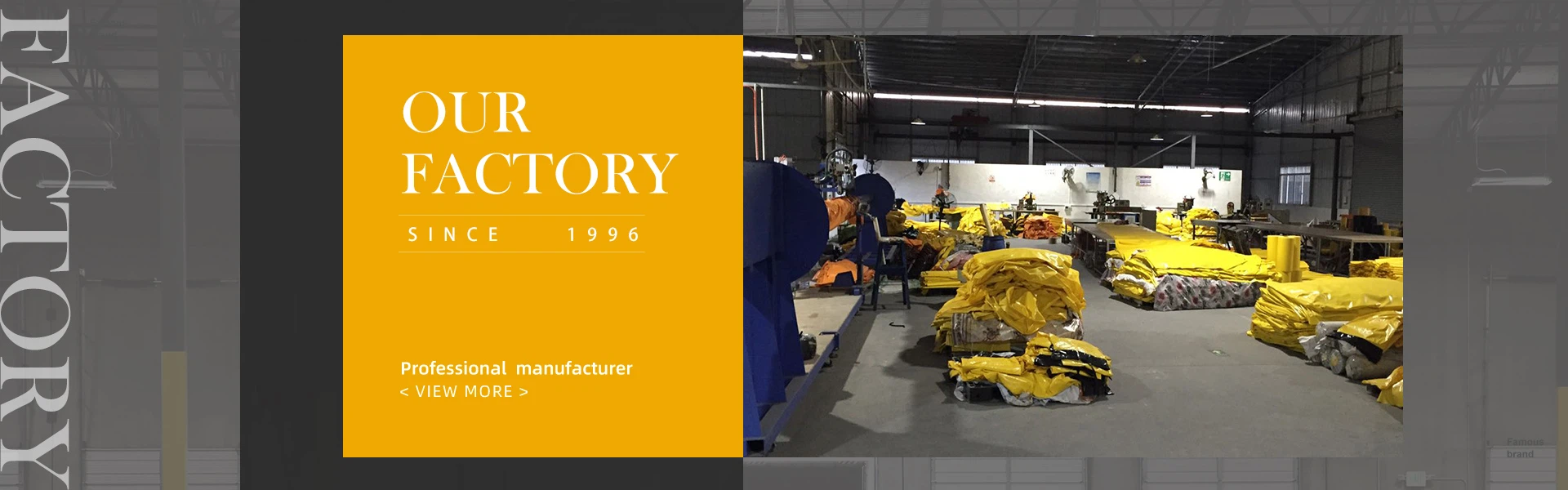
Our Factory
We have more than 300 employees, with a fully automatic CNC production line, and are committed to providing customers with the best products and services.


Frequently Asked Questions
Q: How high a temperature can PVC ducting withstand?
Q: What are the disadvantages of Flexible Duct?
Air leakage: Flexible ducts are more likely to leak air around the seams, which can reduce the performance of the HVAC system.
Tangling and crushing: The flexible nature of the duct makes it more likely to tangle or crush when passing through tight spaces or fixtures.
Durability: Flexible ducts are often less durable than traditional metal ductwork. They can be easily punctured or become brittle over time.
Pest damage: Flexible ducts are more susceptible to damage from rodents, insects, and other pests.
Airflow: Flexible ducts have rough interiors and sharp turns and sags that reduce airflow.
Mold and mildew: Flexible ducts are more likely to have mold and mildew due to their multiple corners and uneven surfaces.
Energy bills: Flexible ducts are more likely to have broken seals and connections, which can lead to higher energy bills and costly repairs.
Shorter lifespan: Flexible ducts have a shorter lifespan compared to rigid spiral ducts, especially in commercial or high-traffic environments.
Q: Does Flexible Duct Have Condensation Risk?
As air passes through the flex duct, it can often lose temperature and increase its humidity level as well, providing perfect conditions for condensation to occur in climates with higher levels of humidity. When condensation reaches critical levels, it can cause mold or mildew growth in the ventilation system, leading to unhealthy indoor air quality and possible structural damage from water damage. It is important for anyone using flex duct in their home or business to regularly inspect their ventilation system for signs of condensation buildup and take immediate action if any are detected.
Q: How effective is Flexible Duct in controlling temperature?
Q: Should you replace the metal duct with a flexible duct?
Q: How often should the flex duct be supported?
Q: When To Use Pvc Duct?
Another application that people sometimes use duct PVC for is HVAC. Most of the time, galvanized steel is used for duct work, but for short distances, CPVC duct can do the job. Make sure not to use regular PVC duct, as temperatures over 140F can cause it to break down and leak over time. The problem with using CPVC duct for an entire HVAC system is that it small diameter pipe will make air coming out of a vent feel more like a blowdryer. It also weighs more than the galvanized steel typically used for heating and air lines. However, CPVC duct will do in a pinch!
Another less conventional use for PVC duct is DIY structure construction. Due to its low cost, you can save a lot of money by making a project like a clothing rack or dog jump out of PVC duct piping. The thin walls also make this piping easier to cut and even bend, if you know how to do that. Just like with standard PVC pipe, PVC duct has endless possibilities, so give it a try today!
Q: What are the disadvantages of Fiberglass Heating Ducting?
Damage: Fiberglass ductwork can be easily damaged during installation or maintenance. If it becomes cracked or damaged, it should be replaced to avoid respiratory issues from breathing in released fibers.
Cost: Fiberglass ducts can be more expensive than metal ductwork, especially if custom fabrication is required.
Maintenance: Internal lining creates a resistance to airflow, causes static pressure drop, and is difficult to clean and maintain.
Health hazards: Fiberglass particles can cause short-term symptoms like coughing, sneezing, skin rashes, and eye irritation. Prolonged exposure to these particles could potentially lead to more severe conditions, including respiratory disorders and lung diseases.
Mold: Fiberglass linings can become saturated with bacteria, mold, and pathogens that become trapped in your system as they keep circulating through.
Q: What is Marine Negative Pressure Duct?
Negative pressure can help prevent cross-contamination in offshore environments. It can also prevent contaminated air from escaping a process.
Q: What is the principle of Marine Negative Pressure Duct?
Negative pressure is created when air is removed from a room through the return duct, but not enough supply air is distributed. This causes the pressure in the room to be lower than the rest of the building. This forces external air to enter the room, preventing any air in the room from spreading.
Q: What are the applications of Three-way Ventilation Ducting?
Three-way ventilation ducting can be used for many applications, including: Air circulation, Ventilation, HVAC, Growing, Home cooling.
Q: How long is the service life of Flexible Duct?
The longevity of flexible duct hinges on several key factors, including material quality, installation, and maintenance.
We're well-known as one of the leading flexible duct manufacturers and suppliers in China, specialized in providing high quality products. If you're going to buy customized flexible duct made in China, welcome to get quotation from our factory.
Fiberglass Heating Ducting, Specially made flexible air duct, Disposable flat air duct